
The early years of a child’s life are filled with curiosity, discovery, and rapid development. During this stage, children begin learning how to communicate, build friendships, and understand the world around them. Because these early experiences shape future learning, choosing the right preschool becomes an important decision for every parent.
Families living in Doha often look for the best kindergarten in Al Markhiya because they want an environment where their children feel safe, supported, and excited to learn. A great preschool is more than a place where children spend a few hours each day. It is a space where they develop confidence, explore creativity, and begin building the skills that will support them throughout their education.
But what truly makes a kindergarten exceptional? Several factors contribute to a high-quality preschool experience, including caring teachers, engaging learning methods, strong safety practices, and an environment that encourages curiosity. Understanding these qualities can help parents choose a kindergarten that supports their child’s growth and happiness.
Why Early Childhood Education Is Important
Early childhood education plays a critical role in shaping how children think, learn, and interact with others. During the first five years of life, the brain develops faster than at any other stage. Experiences during this time influence language development, emotional understanding, and cognitive skills.
A strong preschool program helps children develop:
-
- Communication and language skills
-
- Social interaction and cooperation
-
- Curiosity and creativity
-
- Early problem-solving abilities
-
- Confidence and independence
When children participate in engaging preschool activities, they learn how to express their ideas, ask questions, and interact positively with others. These experiences prepare them for primary school and help them develop a lifelong love for learning.
A Safe and Welcoming Environment
Safety is one of the first things parents consider when selecting a preschool. Children should feel comfortable and protected in their learning environment.
A high-quality kindergarten focuses on creating a space that is both secure and welcoming. Classrooms are designed with child-friendly furniture, clean materials, and safe play areas. Staff members monitor children carefully, ensuring that every activity takes place in a supervised and supportive setting.
When children feel safe, they are more willing to explore new activities and interact with their classmates. A welcoming environment also helps young learners feel relaxed during their first experiences away from home.
Teachers Who Inspire and Support Young Learners
The quality of teachers has a major impact on a child’s preschool experience. Educators in early childhood programs do much more than teach basic lessons. They guide children through emotional growth, encourage curiosity, and create a positive atmosphere where every child feels valued.
Great teachers understand how to communicate with young learners. They use simple explanations, engaging stories, and hands-on activities to make learning enjoyable. Patience, empathy, and enthusiasm are essential qualities that help children feel confident in the classroom.
Parents often notice that children thrive when teachers show genuine interest in their development. Positive relationships between teachers and students help build trust and encourage participation in classroom activities.
Learning Through Play
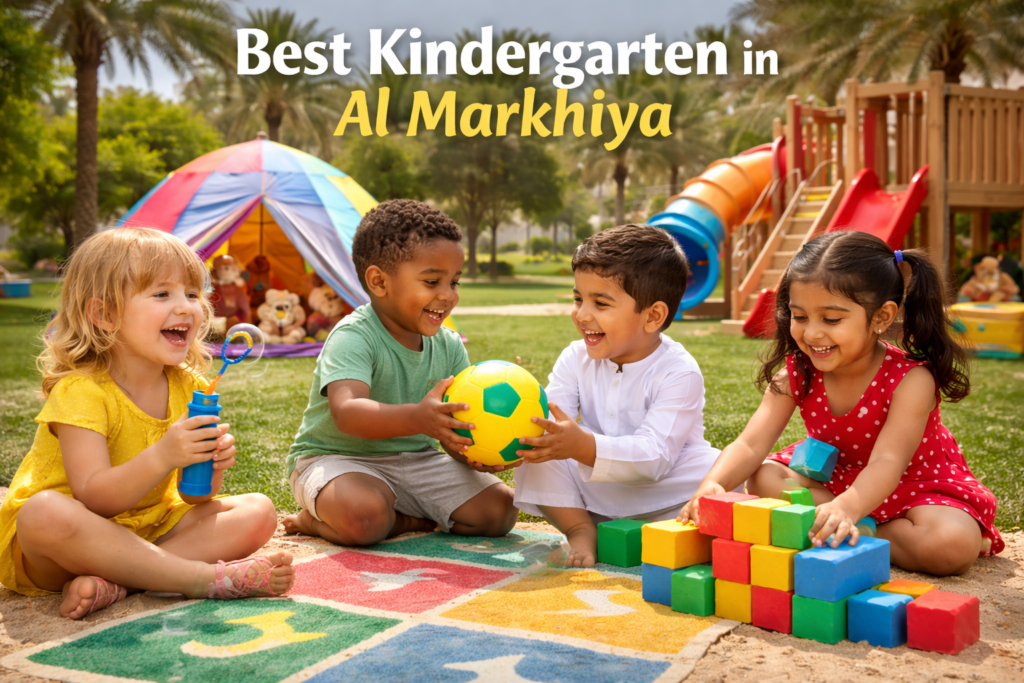
Play is one of the most powerful learning tools for young children. Through play, children experiment with ideas, develop creativity, and practice important social skills.
In many modern preschool programs, learning activities are designed around play-based methods. Instead of traditional lessons, children explore concepts through storytelling, art, music, and interactive games.
For example:
-
- Building blocks help children understand shapes and balance.
-
- Drawing and painting encourage creativity and self-expression.
-
- Role-playing games improve communication and imagination.
-
- Group activities teach cooperation and teamwork.
These experiences make learning enjoyable while helping children develop essential skills.
A Balanced Daily Routine
Young children benefit from routines that combine structured learning with opportunities for relaxation and exploration. A balanced preschool schedule typically includes a variety of activities throughout the day.
These may include:
-
- Interactive learning sessions
-
- Creative art projects
-
- Storytime and reading
-
- Outdoor play
-
- Music and movement activities
This variety keeps children engaged while allowing them to develop different abilities. A routine that includes both learning and play helps children stay motivated and curious.
Classrooms That Encourage Exploration
The physical environment of a preschool plays a key role in shaping children’s learning experiences. Bright, colorful classrooms filled with engaging materials inspire curiosity and creativity.
Many preschool classrooms include learning areas dedicated to different activities. Reading corners encourage children to explore books and stories. Art stations allow them to experiment with colors and textures. Building areas help develop problem-solving skills.
Outdoor spaces are equally important. Playgrounds provide opportunities for physical activity and social interaction, allowing children to develop coordination and teamwork.
Building Social and Emotional Skills
Preschool is often the first place where children interact regularly with peers outside their families. These interactions help them learn valuable social and emotional skills.
In a supportive classroom environment, children learn how to:
-
- Share materials and toys
-
- Work together in group activities
-
- Express their feelings
-
- Respect others’ ideas and perspectives
These early lessons in empathy and cooperation are important for building positive relationships in the future.
Strong Communication with Families
A successful preschool experience involves collaboration between teachers and parents. When families stay informed about their child’s progress, they can support learning at home.
Many preschools provide regular updates through meetings, newsletters, or digital communication tools. These updates help parents understand their child’s development and stay involved in school activities.
Open communication also allows teachers to share observations and suggestions that can support a child’s growth.
Preparing Children for Future Learning
One of the main goals of preschool is to prepare children for the transition to primary school. By introducing early literacy and numeracy concepts in a fun and engaging way, children develop the skills they need for the next stage of education.
Activities such as storytelling, counting games, and problem-solving exercises help children build confidence in their abilities. At the same time, social experiences in the classroom teach them how to work with others and follow routines.
These foundational skills make the transition to formal schooling smoother and more enjoyable.
Choosing the right preschool is an important step in a child’s educational journey. Parents who are searching for best kindergarten in Al Markhiya often look for a school that combines safety, experienced teachers, engaging learning methods, and a supportive community.
An exceptional preschool focuses on the overall development of children, helping them grow academically, socially, and emotionally. By providing a nurturing environment where curiosity and creativity are encouraged, a quality kindergarten helps young learners build the confidence they need for future success.
For families in Doha, finding the best kindergarten in Al Markhiya means selecting a place where children feel happy, inspired, and ready to explore the world of learning.
One Response