

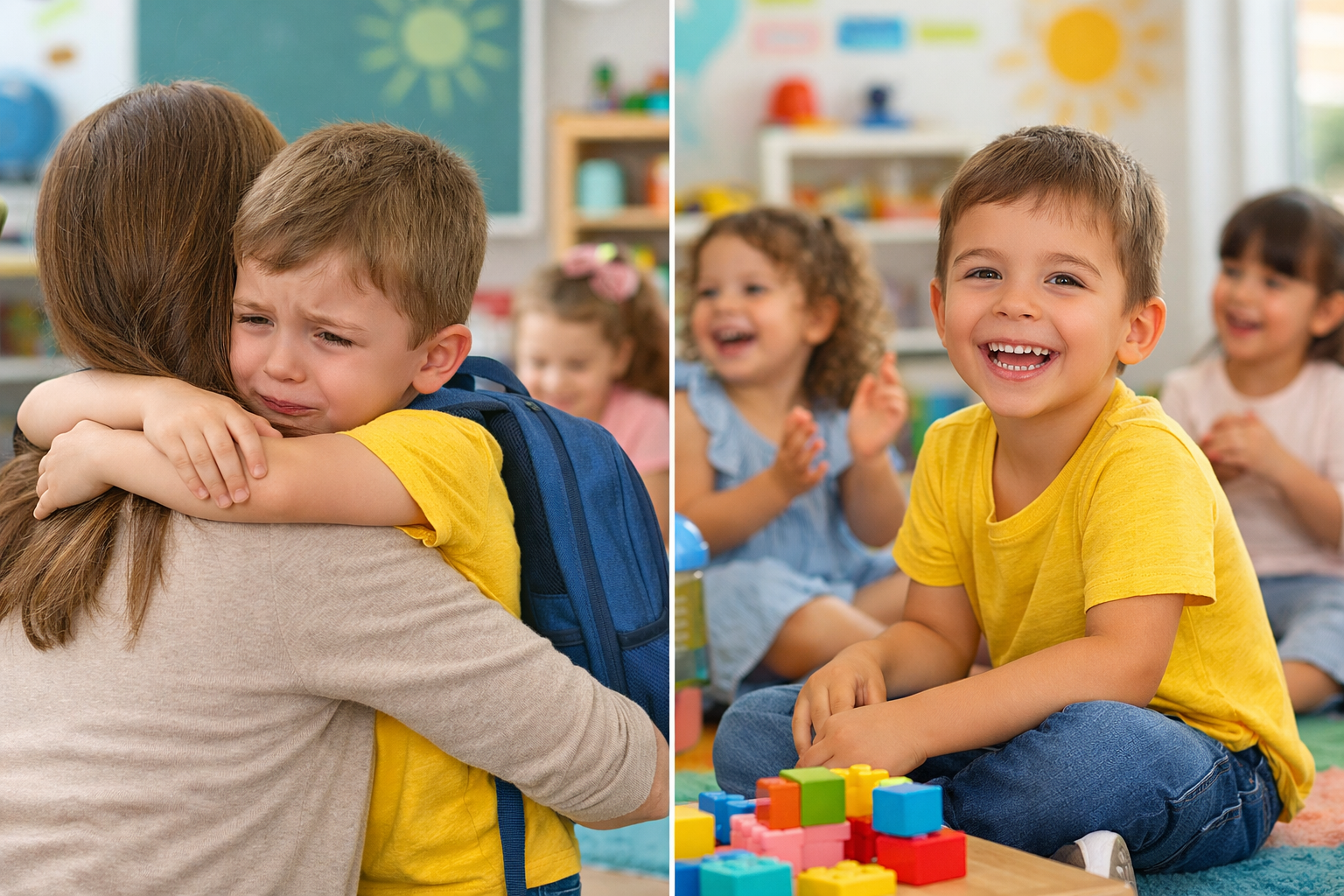
The first day of kindergarten is a big milestone for every family. For many children, it’s the first time they step into a classroom, meet new teachers, and spend several hours away from home. It’s completely normal for those early moments to include a few tears, nervous hugs, or hesitant steps through the classroom door.
Parents often worry about how their child will handle this transition. Will they make friends? Will they feel comfortable? Will they enjoy school?
The good news is that the best kindergarten in Doha understands that starting school is a major emotional step for young children. A thoughtful approach, caring teachers, and a welcoming environment can quickly turn those first-day nerves into excitement and confidence.
With the right support, children soon begin to see kindergarten as a place where they can play, learn, and grow.
Why the First Days of Kindergarten Can Feel Overwhelming
For young children, routines are everything. Home is familiar, predictable, and comforting. Kindergarten, on the other hand, introduces new surroundings, new adults, and a group of unfamiliar classmates.
This sudden change can feel overwhelming at first.
Some children may cling to their parents during drop-off. Others may become quiet and shy while observing everything around them. These reactions are perfectly natural, and experienced early childhood educators understand that every child adapts in their own way and at their own pace.
In a well-structured learning environment, teachers know how to gently guide children through this adjustment period while making them feel safe and supported.
A Warm Welcome Makes All the Difference
One of the most important things a kindergarten can do is create an atmosphere where children feel comfortable from the moment they arrive.
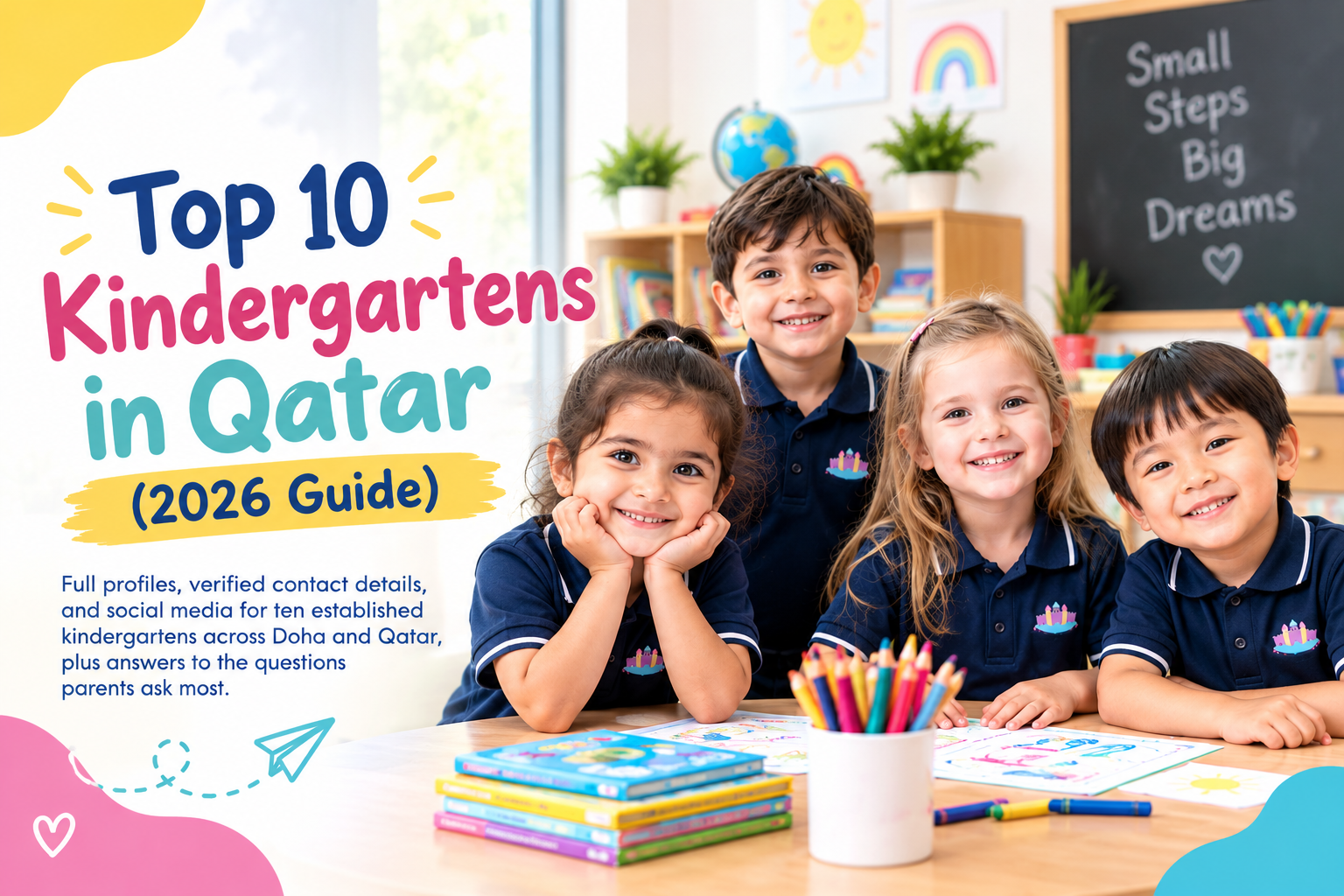
Bright classrooms, friendly greetings from teachers, and spaces designed for play and exploration can make a big difference in how children respond to their new environment.
Many parents looking for the best kindergarten in Doha often notice that the most successful schools focus heavily on creating this welcoming atmosphere. Instead of feeling like a formal school, the classroom often feels like an extension of home — a place where children feel free to explore and express themselves.
Small details, like cozy reading corners, colorful artwork, and interactive learning stations, help children feel curious rather than nervous.
Teachers Who Understand Young Children
Behind every positive kindergarten experience are teachers who truly understand early childhood development.
Young children need more than academic instruction; they need patience, encouragement, and emotional support. Teachers often become trusted figures who guide children through their first independent experiences outside the home.
A caring teacher knows when to offer reassurance, when to encourage participation, and when to simply give a child a little time to adjust.
This human connection is one of the reasons why parents often place great importance on finding the best kindergarten in Doha for their children. Skilled educators know how to build trust quickly, helping children feel secure in their new environment.
Once that sense of trust is established, learning begins to happen naturally.
Learning Through Play and Exploration
At the kindergarten level, learning rarely happens through traditional classroom instruction. Instead, it happens through play, creativity, and hands-on exploration.
Children might build towers with blocks, paint colorful pictures, sing songs together, or listen to stories that spark their imagination. While these activities may look like simple play, they actually support important developmental skills.
Through play, children develop communication skills, creativity, problem-solving abilities, and confidence.
Many schools that are considered among the best kindergartens in Doha emphasize play-based learning because it allows children to learn in a way that feels natural and enjoyable.
When children associate school with fun and discovery, they begin to look forward to coming back each day.
Helping Children Build Friendships
Another major part of adapting to kindergarten is forming friendships.
In the beginning, some children may prefer to observe rather than participate. Teachers often encourage gentle group activities that help children interact with one another without pressure.
Simple activities like group storytelling, building games, or creative art projects allow children to connect naturally. As they begin sharing experiences with classmates, friendships start to form.
These friendships play a powerful role in helping children feel comfortable in the classroom. Before long, the same child who was hesitant on the first day may be excited to arrive each morning to see their friends.
Supporting Emotional Growth
Kindergarten is not only about learning letters and numbers. It is also a time when children develop emotional awareness and social skills.
Teachers help children recognize their feelings, express themselves, and understand how to interact with others respectfully. Through everyday experiences in the classroom, children learn patience, empathy, and cooperation.
A supportive environment allows children to grow emotionally while building confidence in their abilities.
Parents often notice that their child becomes more independent, expressive, and socially comfortable after just a few months in a nurturing kindergarten setting.
The Role Parents Play in the Transition
While teachers and schools play an important role, parents are equally important in helping children adjust to kindergarten.
Children often mirror their parents’ emotions. When parents approach the first day with calm confidence and positivity, children tend to feel more secure.
Simple routines like talking about school in an exciting way, preparing a favorite snack, or discussing the day’s activities can help children look forward to their kindergarten experience.
When families and teachers work together, the adjustment process becomes much smoother.
From Nervous Beginnings to Happy Mornings
The transformation that happens during the first few weeks of kindergarten can be remarkable.
A child who once felt uncertain about leaving home may soon run into the classroom with excitement. They begin talking about their teachers, their new friends, and the activities they enjoy most.
Those early tears fade quickly, replaced by curiosity and confidence.
This journey from uncertainty to joy is exactly what parents hope for when searching for the best kindergarten in Doha. The right environment can turn a potentially stressful experience into a positive and meaningful beginning to a child’s educational journey.
A Strong Start for Lifelong Learning
The early years of education shape how children feel about learning for the rest of their lives. A positive kindergarten experience builds confidence, curiosity, and independence.
When children feel supported, valued, and encouraged, they develop a love for discovering new things.
That’s why choosing the right kindergarten matters so much. With experienced educators, engaging learning environments, and a focus on emotional development, the best schools help children take their first steps into education with confidence and joy.
And before parents know it, those nervous first-day tears have turned into bright smiles and stories about all the exciting things their child learned at school.

One Response