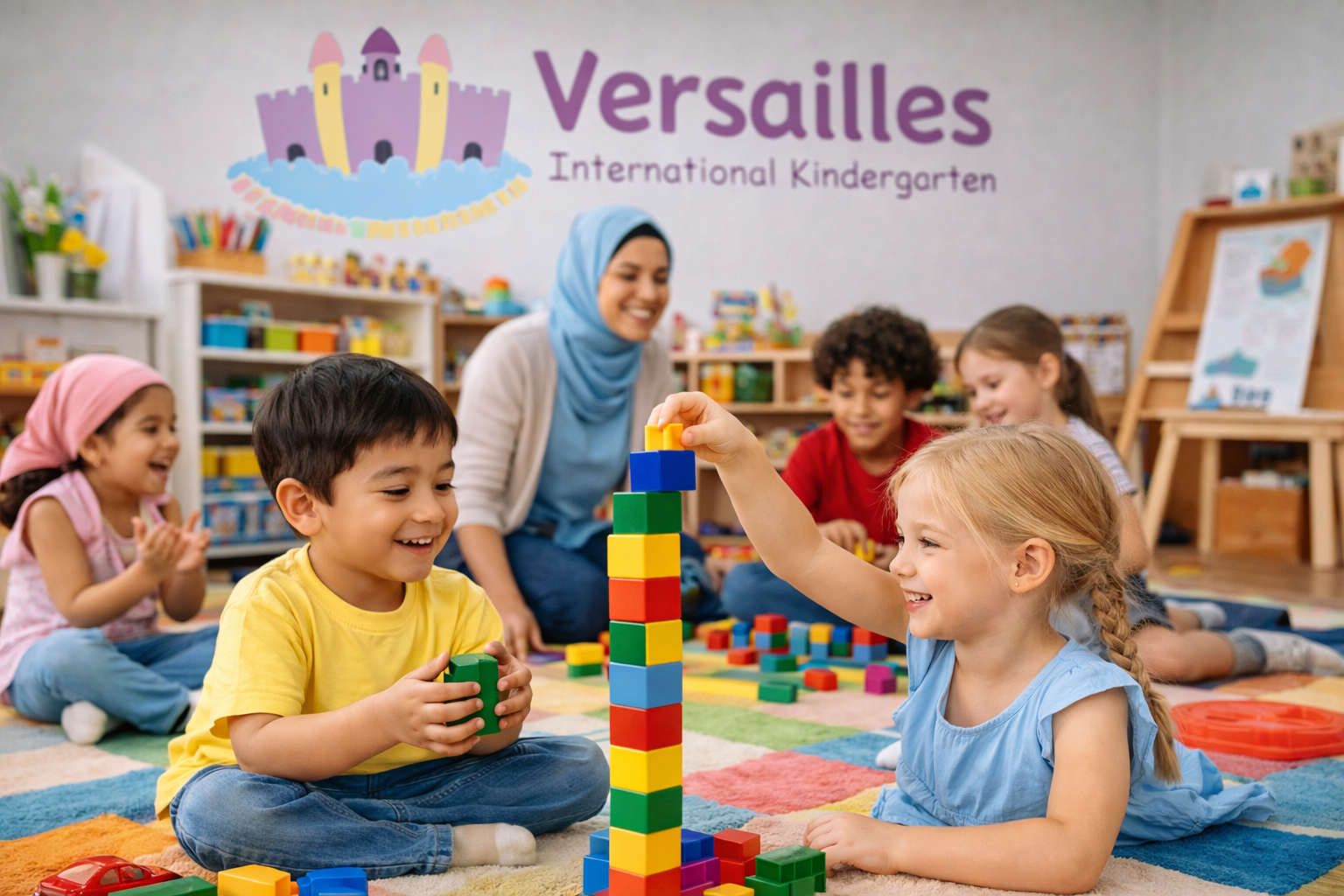
Choosing one of the best kindergartens in Qatar is crucial for nurturing children’s social skills. A high-quality kindergarten environment helps children develop communication, cooperation, empathy, and confidence during their early years.
The Importance of Social Skills in Early Childhood
In the grand tapestry of human development, social skills serve as the threads that weave a child into the fabric of society. Early childhood is an especially critical period for the cultivation of these skills, as it lays the foundation for future interpersonal relationships and emotional well-being. Social skills encompass a range of abilities, including communication, empathy, cooperation, and conflict resolution, all of which are vital for a child’s success both inside and outside the classroom.
During the early years, children are like sponges, absorbing behaviors, norms, and cues from their environment. This makes the role of kindergarten particularly significant. In these formative years, children begin to interact more frequently with their peers and adults outside their immediate family. The experiences they garner in this setting help shape their understanding of social norms and appropriate behaviors. Hence, choosing the best kindergarten in Qatar can be a pivotal decision for parents who wish to ensure their child’s holistic development.
Moreover, social skills are not just about making friends; they are intrinsically linked to cognitive development. Research has shown that children who exhibit strong social skills tend to perform better academically. They are more likely to engage in classroom activities, understand instructions clearly, and work effectively in group settings. Therefore, the right kindergarten can play a crucial role in providing an environment where these essential skills can be nurtured and developed.
Overview of Kindergarten Education in Qatar
Qatar has made significant strides in the realm of early childhood education. Recognizing the importance of laying a strong educational foundation, the Qatari government and private sectors have invested heavily in the development of kindergartens. These institutions are designed to offer a balanced curriculum that integrates academic learning with social, emotional, and physical development.
In Qatar, kindergartens typically cater to children aged three to six years. The educational framework in these institutions often follows international standards, incorporating best practices from around the world while also respecting local cultural values. This blend ensures that children receive a well-rounded education that prepares them for the challenges of primary school and beyond.
The Ministry of Education and Higher Education (MOEHE) in Qatar plays a pivotal role in overseeing the quality of kindergarten education in the country. The ministry sets guidelines and standards that kindergartens must adhere to, ensuring that they provide a safe, nurturing, and stimulating environment for young learners. Additionally, many kindergartens in Qatar are accredited by international organizations, adding an extra layer of assurance for parents regarding the quality of education their children receive.
What Makes the Best Kindergartens in Qatar Ideal for Social Development
The best kindergartens in Qatar provide an environment where children can develop essential social skills through daily interaction, structured learning, and supportive guidance from teachers. During the early years of education, children learn how to communicate, cooperate with others, and build friendships that contribute to their emotional and social growth. A high-quality kindergarten focuses not only on academic readiness but also on helping children feel confident and comfortable in social settings.
Trained and Supportive Teachers
One of the defining characteristics of the best kindergartens in Qatar is the presence of trained and experienced teachers who understand early childhood development. These educators guide children through everyday social situations, helping them learn important skills such as sharing, listening, and respecting others. Teachers also act as role models by demonstrating positive behavior, encouraging kindness, and creating a classroom atmosphere where every child feels valued and supported.
Play-Based Learning
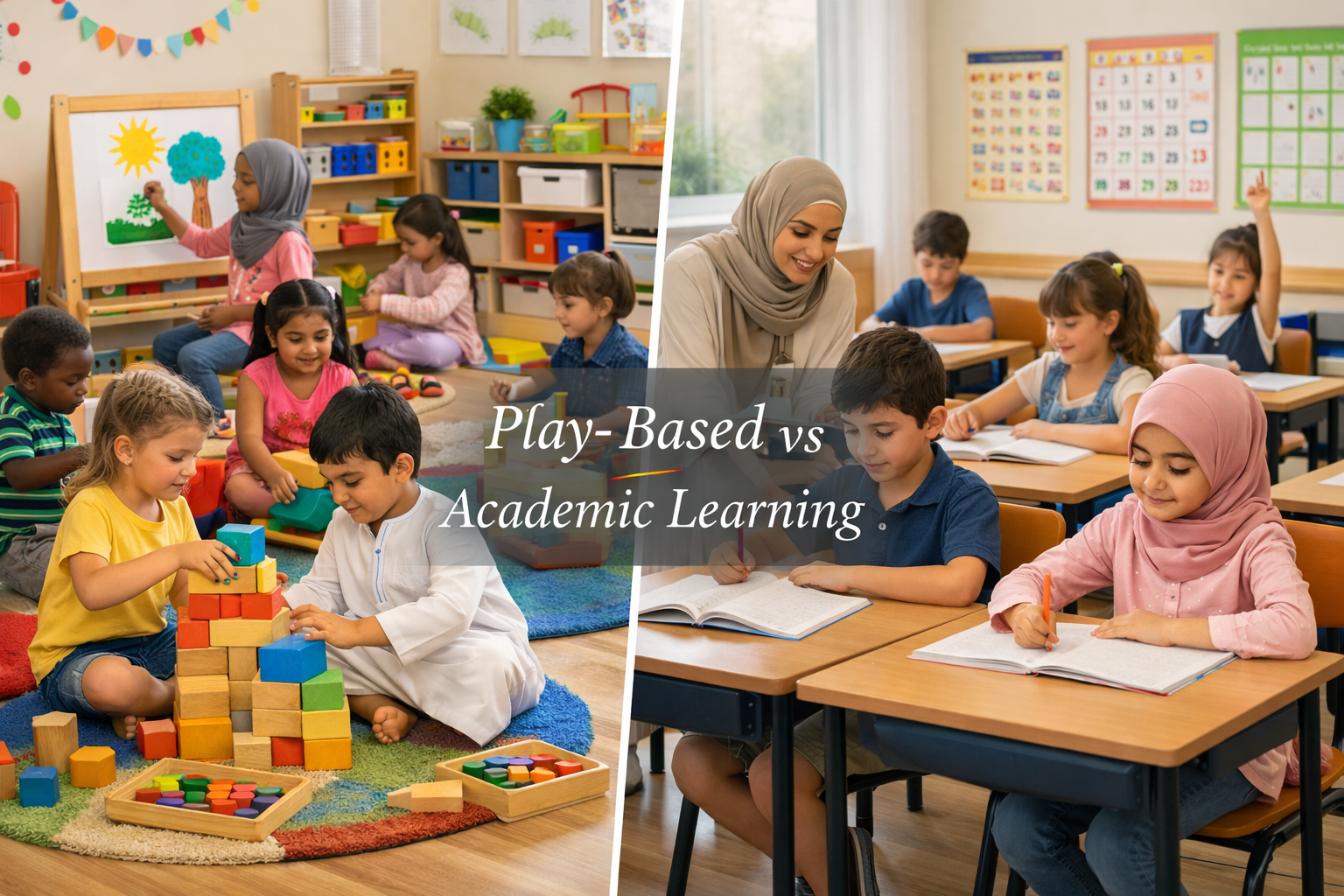
Play-based learning is an essential part of early childhood education. Through activities such as imaginative play, building games, and creative storytelling, children learn how to interact with others while developing communication and problem-solving skills. Many of the best kindergartens in Qatar incorporate play-based learning into their curriculum because it allows children to naturally explore social relationships, practice teamwork, and express their ideas freely.
Safe and Encouraging Environment
A safe and welcoming environment helps children feel comfortable expressing themselves and engaging with their peers. In the best kindergartens in Qatar, classrooms are designed to promote curiosity, collaboration, and confidence. When children feel secure and supported, they are more likely to participate in group activities, form friendships, and develop strong social connections that positively influence their learning experience.
Group Activities and Teamwork
Group activities play a major role in helping children develop social skills. Activities such as circle time discussions, collaborative art projects, group storytelling, and team games allow children to practice cooperation and communication. These experiences help children understand the importance of listening to others, taking turns, and working together to achieve shared goals. Parents searching for the best kindergartens in Qatar often look for schools that encourage these types of interactive learning experiences, as they help children build confidence and positive relationships from an early age.
Key Features of an Effective Kindergarten
An effective kindergarten is characterized by several key features that collectively create an environment conducive to learning and growth. First and foremost is a well-structured curriculum that balances academic learning with activities that promote social, emotional, and physical development. Such a curriculum often includes a variety of subjects, from language and mathematics to arts and physical education, ensuring a holistic approach to education.
Another crucial feature is the quality of the teaching staff. Experienced and well-trained teachers are the backbone of any successful kindergarten. They not only impart knowledge but also serve as role models, guiding children in their social interactions and helping them navigate the complexities of interpersonal relationships. In Qatar, kindergartens often invest in continuous professional development for their teachers, ensuring they are equipped with the latest pedagogical strategies and techniques.
The physical environment of the kindergarten also plays a significant role in fostering learning. Classrooms should be spacious, well-lit, and equipped with age-appropriate furniture and learning materials. Outdoor play areas are equally important, providing children with opportunities for physical activity and unstructured play, which are essential for their overall development. Safety is paramount, and kindergartens must adhere to strict safety standards to ensure the well-being of the children.
How a Supportive Environment Fosters Social Interaction
A supportive environment is paramount in fostering social interaction among young children. In a kindergarten setting, this means creating a space where children feel safe, valued, and encouraged to express themselves. Such an environment is characterized by positive relationships between teachers and students, as well as among the students themselves.
In a supportive kindergarten, teachers play a crucial role in modeling positive social behaviors. They demonstrate how to communicate effectively, show empathy, and resolve conflicts peacefully. By observing and interacting with their teachers, children learn these essential social skills and begin to apply them in their interactions with peers. This creates a ripple effect, as children who feel understood and supported are more likely to extend the same kindness and understanding to others.
A supportive environment also includes structured activities that promote social interaction. Group projects, collaborative games, and circle time discussions are just a few examples of activities that encourage children to work together, share ideas, and build friendships. These activities help children develop a sense of community and belonging, which are crucial for their emotional well-being and social development.
The Role of Play in Developing Social Skills
Play is often referred to as the work of childhood, and for good reason. It is through play that children explore the world around them, learn new concepts, and develop critical social skills. In a kindergarten setting, play is not just a break from learning; it is an integral part of the educational process.
There are different types of play, each contributing to the development of social skills in unique ways. Free play, for instance, allows children to use their imagination and creativity. It often involves role-playing and pretend play, where children take on different roles and act out various scenarios. Through these activities, they learn to see things from different perspectives, develop empathy, and practice problem-solving.
Structured play, such as team games and group activities, also plays a significant role in social skill development. These activities require children to follow rules, take turns, and work together towards a common goal. They learn the importance of cooperation, communication, and teamwork. Moreover, structured play provides opportunities for children to practice conflict resolution and negotiation, essential skills that will serve them well throughout their lives.
Teacher-Child Interaction and Its Impact
The interaction between teachers and children in a kindergarten setting is a critical factor in the development of social skills. Positive teacher-child interactions create a supportive and nurturing environment, where children feel safe to express themselves and explore new ideas.
Teachers who build strong, positive relationships with their students are better able to understand their individual needs and provide appropriate guidance and support. They can identify when a child is struggling with social interactions and offer targeted interventions to help them improve. This might involve working on specific skills, such as sharing or taking turns, or providing opportunities for the child to practice these skills in a supportive setting.
Additionally, the way teachers interact with children sets the tone for peer interactions. Teachers who model positive social behaviors, such as active listening, empathy, and respect, create a classroom culture where these behaviors are valued and encouraged. Children learn by observing their teachers and are more likely to emulate these positive behaviors in their interactions with peers.
Parent Involvement in Social Skill Development
Parental involvement is a key component in the development of social skills in young children. Parents are a child’s first teachers, and the lessons they impart at home lay the groundwork for future social interactions. A strong partnership between parents and teachers can significantly enhance a child’s social development.
Parents can support their child’s social skill development in various ways. One of the most effective strategies is to model positive social behaviors at home. Children learn a great deal by observing their parents’ interactions with others. Demonstrating empathy, active listening, and effective communication can provide children with a clear blueprint for their own social interactions.
Furthermore, parents can reinforce the social skills taught in kindergarten by providing opportunities for their child to practice these skills outside of school. Playdates, family gatherings, and community activities can all serve as valuable platforms for social interaction. By encouraging their child to engage in these activities, parents can help them build confidence and competence in their social interactions.
Cultural Considerations in Qatari Kindergartens
Cultural considerations play a significant role in shaping the educational experience in Qatari kindergartens. Qatar is a diverse country with a rich cultural heritage, and this diversity is reflected in the kindergarten environment. It is essential for kindergartens to respect and incorporate cultural values and traditions into their curriculum and practices.
In a Qatari kindergarten, cultural considerations might include celebrating national holidays, incorporating traditional music and dance into the curriculum, and teaching children about the country’s history and heritage. These activities help children develop a sense of identity and pride in their culture, which is an important aspect of their social development.
Moreover, cultural sensitivity is crucial in a diverse classroom setting. Teachers must be aware of and respect the cultural backgrounds of all their students. This includes understanding cultural norms and values, being mindful of language barriers, and creating an inclusive environment where all children feel valued and respected. By fostering cultural sensitivity, kindergartens can create a harmonious and supportive environment that promotes positive social interactions.
Assessing the Quality of Kindergartens in Qatar
Assessing the quality of kindergartens in Qatar involves considering various factors that contribute to a child’s overall development. One of the primary indicators of quality is the curriculum. A well-designed curriculum that balances academic learning with activities that promote social, emotional, and physical development is essential. Parents should look for kindergartens that offer a diverse range of subjects and activities, ensuring a holistic approach to education.
Another critical factor is the quality of the teaching staff. Experienced and well-trained teachers who are committed to continuous professional development are crucial for providing high-quality education. Parents should inquire about the qualifications and experience of the teachers, as well as the professional development opportunities available to them.
The physical environment of the kindergarten is also an important consideration. Classrooms should be spacious, well-lit, and equipped with age-appropriate furniture and learning materials. Outdoor play areas are equally important, providing children with opportunities for physical activity and unstructured play. Safety is paramount, and kindergartens must adhere to strict safety standards to ensure the well-being of the children.
Conclusion : Choosing the Right Kindergarten for Your Child
Choosing the right kindergarten plays a vital role in shaping a child’s early development. The best kindergartens in Qatar focus not only on academic learning but also on building strong social skills that help children interact confidently with others. Through supportive teachers, play-based learning, and engaging group activities, children learn important values such as cooperation, empathy, and communication.
A nurturing kindergarten environment allows children to form friendships, express their ideas, and develop confidence at an early age. When parents carefully choose from the best kindergartens in Qatar, they provide their children with a strong foundation for both social and academic success.
By prioritizing environments that encourage teamwork, creativity, and positive interaction, parents can ensure that their children grow into confident learners who are well prepared for the next stages of education and life.